The Challenge
ACME had a compelling product vision: turn loyalty points into spendable currency that works everywhere, the same way a Visa card or Apple Pay does. Behind that simple premise, though, was a technically demanding platform that needed to handle crypto wallets, on-chain transactions, NFT flows, and smart contract interactions, all without exposing any of that complexity to the end user.
The existing codebase hadn’t kept pace with the product’s ambitions. The technology stack needed a significant upgrade to support the multi-chain Web3 capabilities the roadmap required, and the system had to be reliable and performant enough to serve merchants and consumers at scale. The team needed engineering partners who understood both the Web3 side and the product experience side of the problem.
Our Approach
SpaceDev embedded two blockchain developers (one focused on the frontend, one on the backend) to work directly alongside the ACME team on an ongoing basis. The primary work was a full TypeScript migration across the stack, establishing a consistent, type-safe foundation for all future development.
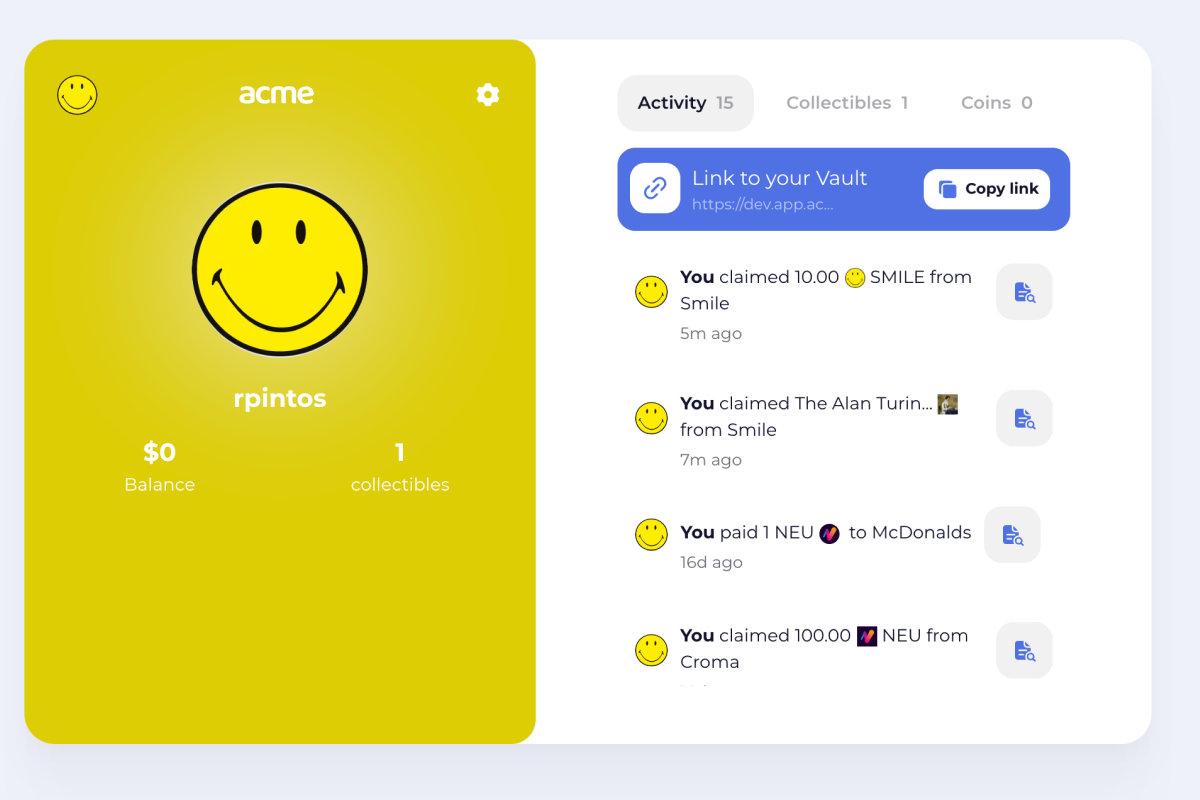
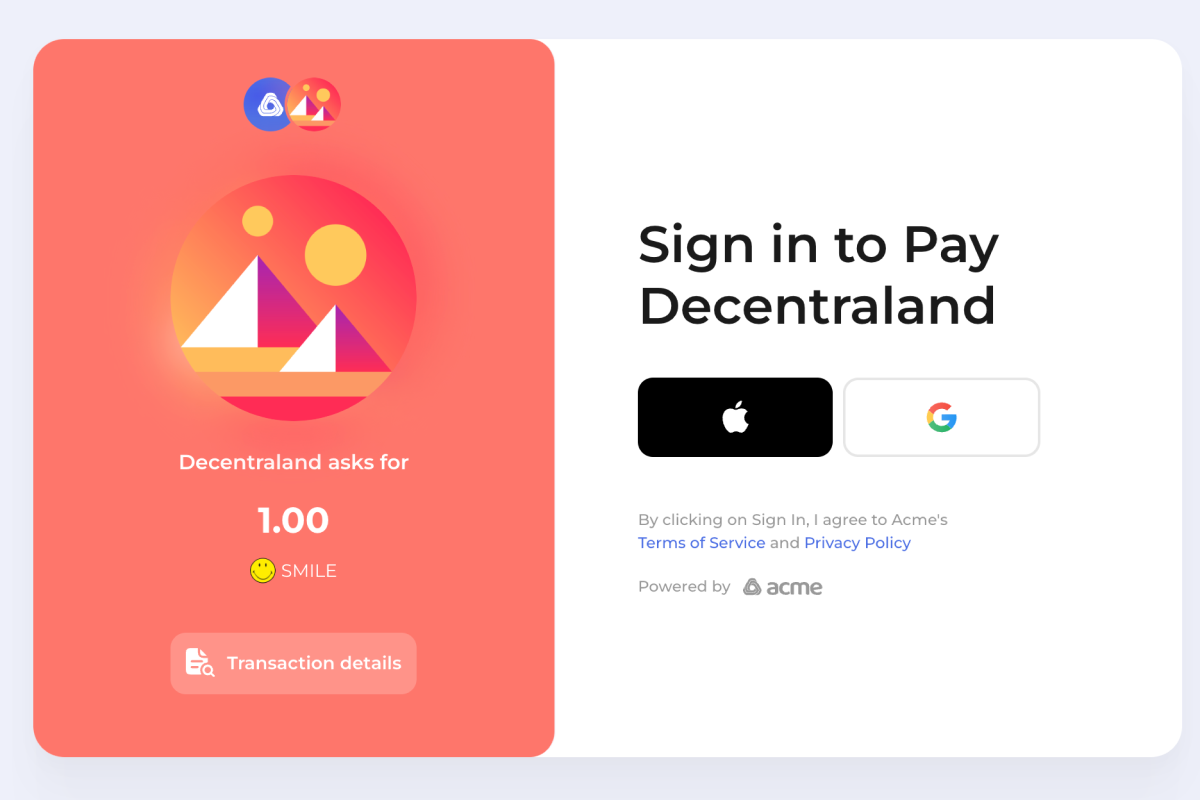
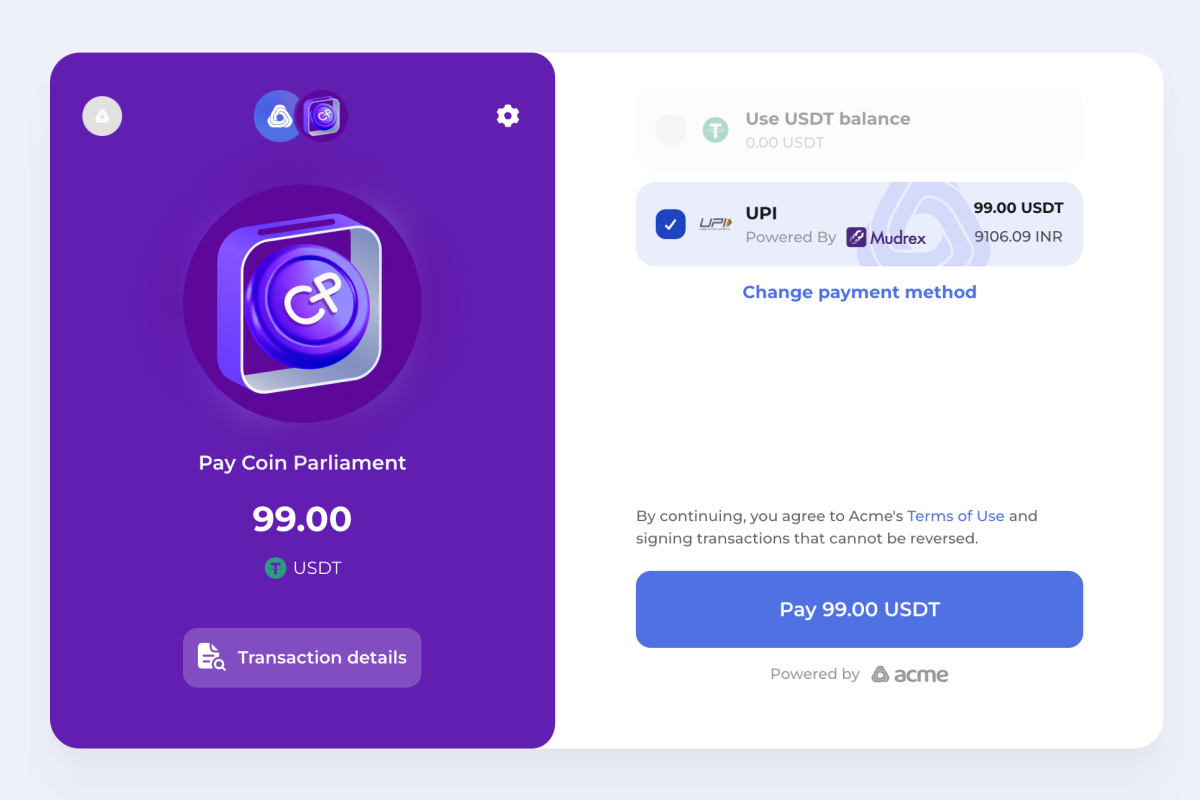
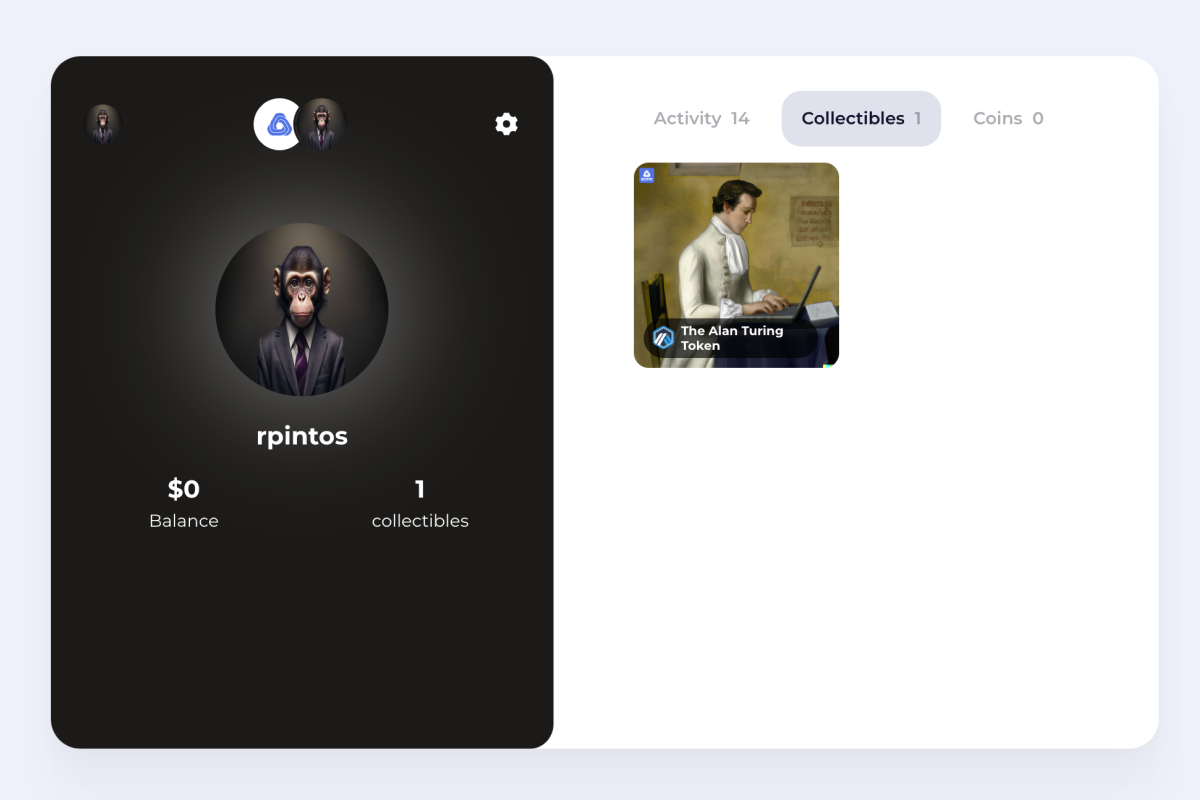
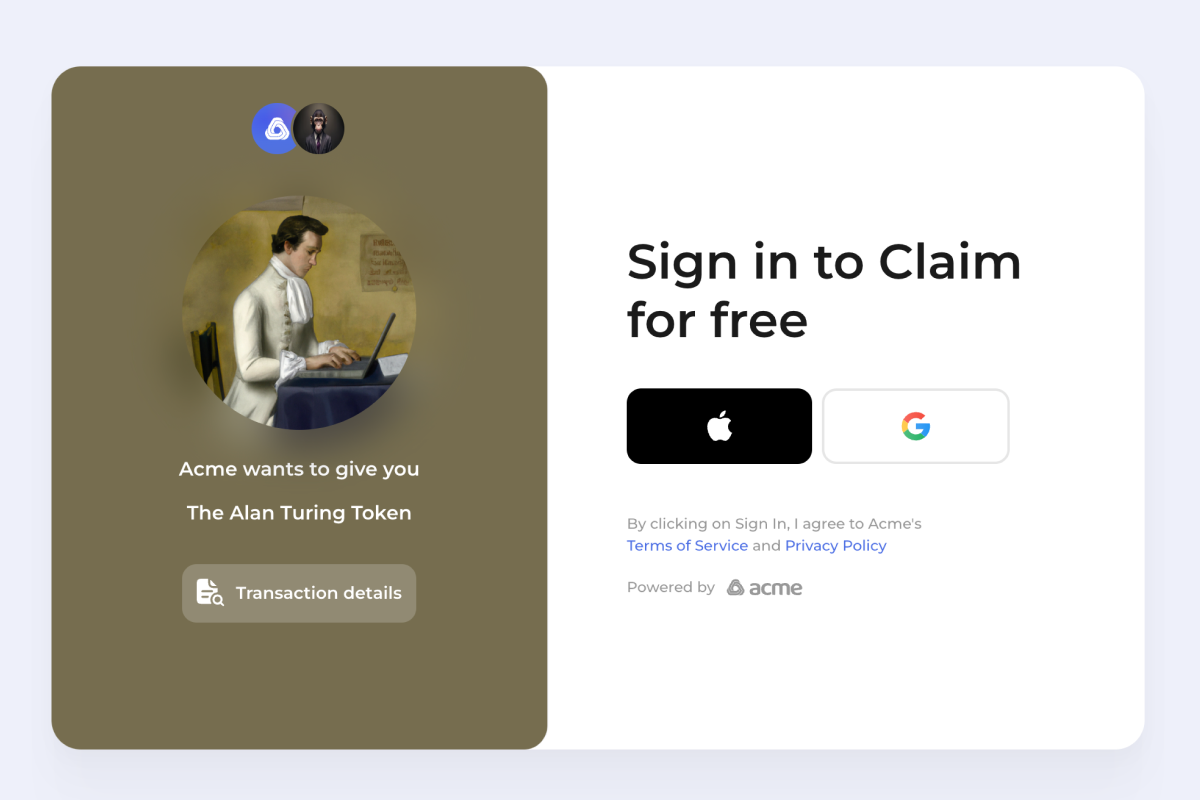
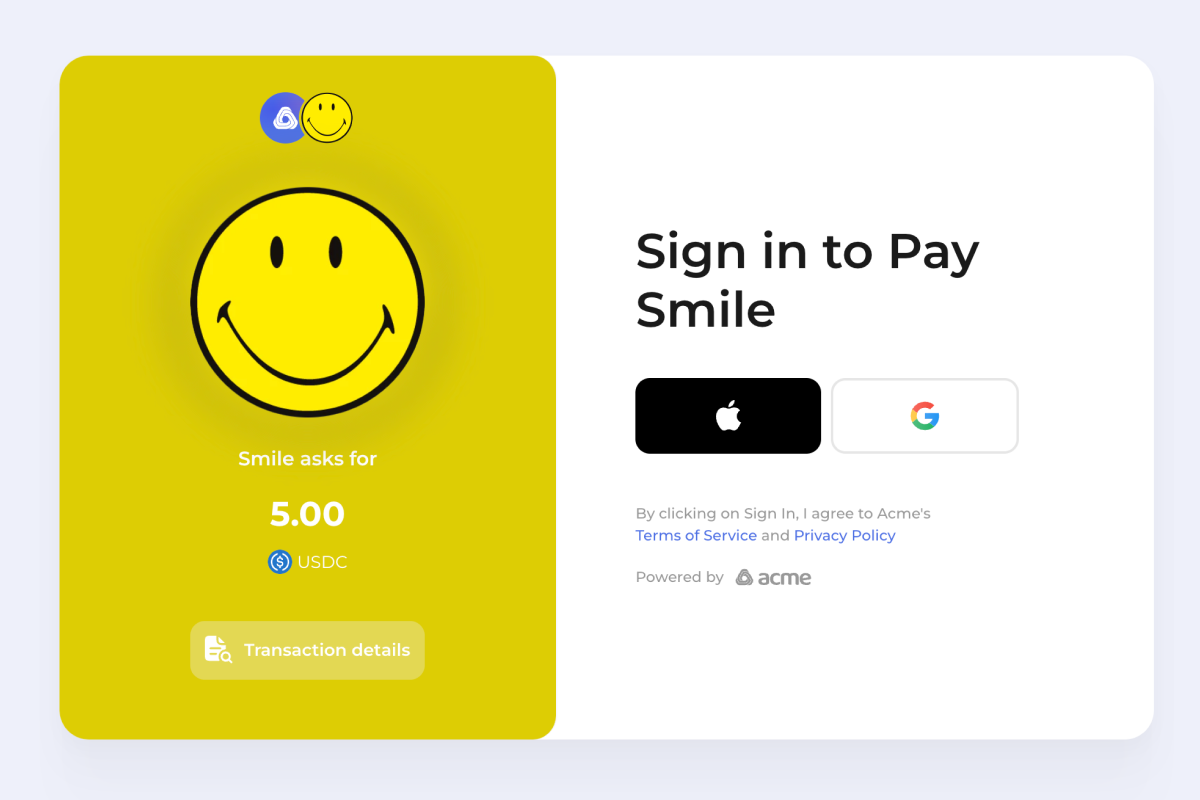
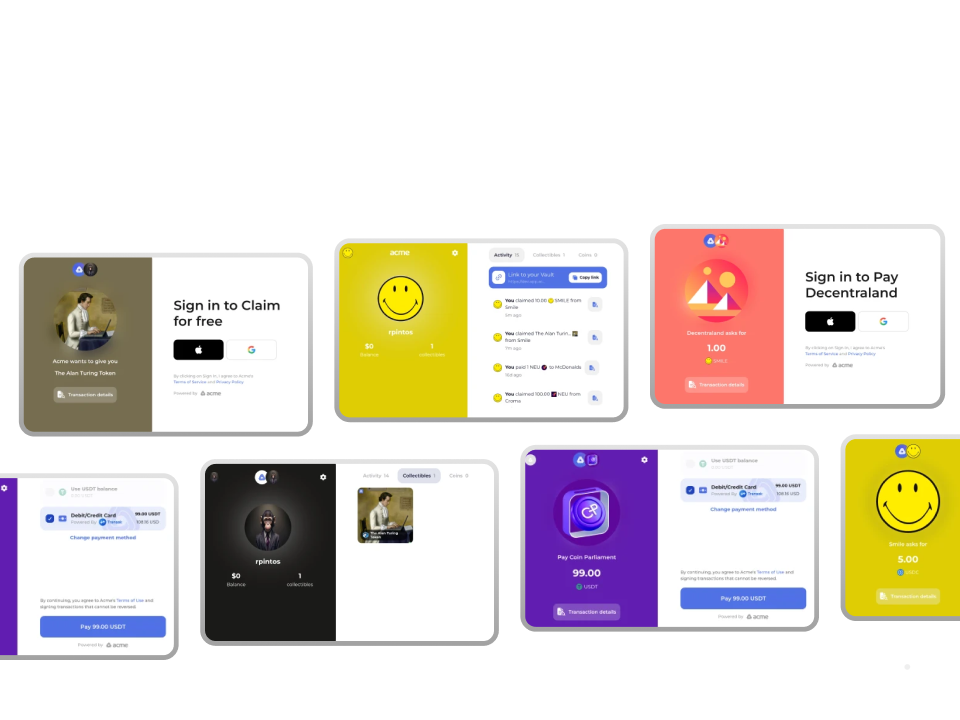
From there, we built out the multi-chain support layer that powers ACME’s core interactions: using crypto funds from digital wallets with a single tap, purchasing cryptocurrency through the most appropriate OnRamp services for each transaction, acquiring NFTs through the platform, and executing any smart contract function that client integrations require. WunderGraph was used to federate and simplify the API layer, keeping backend complexity from leaking into the frontend. PostgreSQL handles the relational data backing the loyalty point ledger and transaction history.
The goal throughout was to make the interface between the user and the blockchain invisible. Every interaction that involves an elaborate on-chain process (wallet lookup, gas estimation, transaction signing, confirmation) is resolved automatically, with the user seeing nothing more than a tap and a confirmation.
Results
ACME now offers a platform that is genuinely appealing for businesses looking to add loyalty point transactions and Web3 interactions to their products. The TypeScript migration improved code quality and developer velocity across the board, and the multi-chain architecture gives the platform the flexibility to support new networks without rearchitecting the core.
The result is a product that lives up to its name: Acme One Tap. Operations that involve elaborate processes behind the scenes are completed with a single interaction on the surface, making Web3 accessible to the kind of everyday users who have no interest in managing wallets or understanding gas fees.
Tech Stack
The platform is built on React for the frontend, with WunderGraph handling API federation and TypeScript enforced throughout. PostgreSQL serves as the primary database for loyalty point ledgers and transaction records. The Web3 layer integrates directly with multiple chains and OnRamp providers, with smart contract interactions handled client-side through standard EVM tooling.