
Blockchain Game Development Services for Studios and Gaming Brands
SpaceDev builds blockchain infrastructure for game studios, publishers, esports organizations and collectibles platforms that want true digital ownership without adding friction for players. From NFT game assets and GameFi economies to embedded wallets and multichain marketplaces, we deliver the Web3 layer that makes a game work at scale.
Or subscribe to our newsletter
Web3 Gaming Services we provide
Full-cycle Web3 game development, from on-chain asset design to live operations.
01
NFT Game Development and In-Game Asset Tokenization
Smart contracts to mint, manage and transfer in-game items as NFTs, using ERC-721 for unique assets and ERC-1155 for semi-fungible items such as consumables, cosmetics and crafting materials. We add metadata, supply controls and royalty logic so every item has provable scarcity and generates value on secondary markets.
02
GameFi and Play-to-Earn Economy Development
Token and reward systems designed around player retention rather than extraction: in-game currencies, reward pools, staking, points, daily missions and on-chain claims. We define sinks, faucets and supply rules during Discovery, because a game economy that inflates will lose players no matter how good the gameplay is.
03
Web3 Game Infrastructure and SDK Development
APIs, SDKs and developer back offices that let studios add blockchain features to existing games without rebuilding their stack. The aim is to give game teams customizable tools to run their on-chain economy from one dashboard.
04
Embedded Wallets, Gasless Transactions and Player Onboarding
Wallet abstraction for mainstream players: social login, email sign-up, automatic wallet creation and gas sponsorship, so no one needs a seed phrase or a native token to start playing. We pair this with fiat checkout through providers like Stripe and Coinflow, so in-game purchases feel like any other in-app payment.
05
NFT Marketplace Development for Games and Collectibles
In-game and standalone marketplaces with listings, offers, peer-to-peer swaps, search and royalty enforcement. Built for high-value assets, including tokenized physical collectibles backed by insured vaulting partners.
06
Cross-Chain Bridges and Multichain Game Architecture
Interoperability for game assets across EVM networks and Solana, with bridge functionality that lets items and activity move between chains while players keep a single, seamless experience.
07
Gaming Launchpads and Community Token Offerings
Launchpad platforms for IDOs and INOs, with cross-chain smart contracts for participation, staking and treasury security, plus discovery and tracking tools for past, current and upcoming offerings.
08
Smart Contract Audits for Blockchain Games
In-game assets carry real market value, so a contract bug is an economic exploit, not a glitch. Through BlockAudit, SpaceDev's security division, we review minting, marketplace and reward contracts before they reach mainnet.
Where Blockchain Creates the Most Value Across the Gaming Industry
| Gaming Segment | Core Problem Blockchain Solves | Application |
|---|---|---|
| Game studios and publishers | Players can't own or resell items, studios miss secondary revenue | NFT game assets, royalty-enforced marketplaces |
| Mobile and casual games | Wallet setup and gas fees kill onboarding | Embedded wallets, gasless transactions, fiat checkout |
| Esports and gaming hubs | Weak community ownership and monetization | Launchpads, fan tokens, NFT passes |
| Trading cards and collectibles | Illiquid physical assets, authentication, custody | Vaulted tokenization, P2P swaps, gacha mechanics |
| Sports and fan engagement | Low repeat engagement | GameFi missions, NFT rewards, leaderboards |
| Web3 game infrastructure providers | Studios won't adopt complex tooling | APIs, SDKs, developer back offices |
Game studios and publishers
Core problem: Players can't own or resell items, studios miss secondary revenue
Application: NFT game assets, royalty-enforced marketplaces
Mobile and casual games
Core problem: Wallet setup and gas fees kill onboarding
Application: Embedded wallets, gasless transactions, fiat checkout
Esports and gaming hubs
Core problem: Weak community ownership and monetization
Application: Launchpads, fan tokens, NFT passes
Trading cards and collectibles
Core problem: Illiquid physical assets, authentication, custody
Application: Vaulted tokenization, P2P swaps, gacha mechanics
Sports and fan engagement
Core problem: Low repeat engagement
Application: GameFi missions, NFT rewards, leaderboards
Web3 game infrastructure providers
Core problem: Studios won't adopt complex tooling
Application: APIs, SDKs, developer back offices
Blockchain Gaming Projects We've Delivered
Blockus: Web3 Game Infrastructure Backed by a16z crypto
For Blockus, SpaceDev built the NFT management API, instant wallet creation, gasless transactions, Stripe payments and the developer back office. Blockus is a Web3 gaming infrastructure platform backed by a16z crypto, Altos Ventures, Maple and CSS23. The MVP shipped in three months.
Read the case studyCollector Crypt: Multichain Tokenized Trading Cards
For Collector Crypt, we built smart contracts, a cross-chain bridge, peer-to-peer swaps and the Gacha mobile app. Collector Crypt tokenizes graded physical trading cards across Solana, Ethereum, Base, Monad and ApeChain.
$1.6B+
Lifetime trading volume
130K+
Cards tokenized on-chain
40K
Daily active users
W3E: Esports Gaming Launchpad
For W3E, we built cross-chain IDO, staking and treasury contracts plus the launchpad frontend. The QA-verified MVP was delivered to staging in 5.5 months.
Read the case studyFightFI: GameFi Fan Platform on Aptos
For FightFI, we built Aptos social login, OKX Wallet authentication, NFT rewards, real-time leaderboards and smart contracts for on-chain claims, delivered as a responsive PWA.
Read the case studyBlockchain Technologies We Use for Game Development
| Layer | Technologies |
|---|---|
| Networks | Ethereum, Base, Solana, Aptos, Monad, ApeChain |
| Token standards | ERC-721, ERC-1155, ERC-20 |
| Smart contract tooling | Solidity, Hardhat, Gelato automation |
| Wallets and onboarding | Privy embedded wallets, social login, OKX Wallet, Auth0 |
| Payments | Stripe, Coinflow, fiat and crypto checkout |
| Apps and backend | React, Next.js, React Native, Node.js, NestJS, PostgreSQL |
Networks
Ethereum, Base, Solana, Aptos, Monad, ApeChain
Token standards
ERC-721, ERC-1155, ERC-20
Smart contract tooling
Solidity, Hardhat, Gelato automation
Wallets and onboarding
Privy embedded wallets, social login, OKX Wallet, Auth0
Payments
Stripe, Coinflow, fiat and crypto checkout
Apps and backend
React, Next.js, React Native, Node.js, NestJS, PostgreSQL
Why SpaceDev for Blockchain Game Development
Gaming proof, not a generic Web3 pitch
Gaming accounts for 15% of SpaceDev's verified client work on Clutch. It ranks among our top three industries, behind financial services and IT.
Player experience first
Our gaming work consistently removes the same barriers: wallets, gas and crypto checkout. If players notice the blockchain, it isn't finished yet.
Security built into delivery
Security review runs through every milestone, and BlockAudit is available in-house for independent smart contract audits before launch.
Long-term live operations partner
Games keep evolving after launch. We stay on as an ongoing engineering partner, as we do with Collector Crypt and FightFI, shipping new features, new chains and new products.
How We Deliver Blockchain Game Projects
01
Discovery Sprint
Player journey, asset model, economy rules, chain selection and compliance requirements, defined before any code is written.
02
Build and QA
Milestone-based delivery with playable builds, QA gates and contract security reviews.
03
Launch and Live Ops
Monitoring, iteration, new features and multichain expansion as your player base grows.
Need senior Solidity or backend engineers for your in-house team instead? See IT Staff Augmentation.
Related Blockchain Services for Gaming
Our Work in Action
Take a closer look at how our services have helped teams ship at scale.
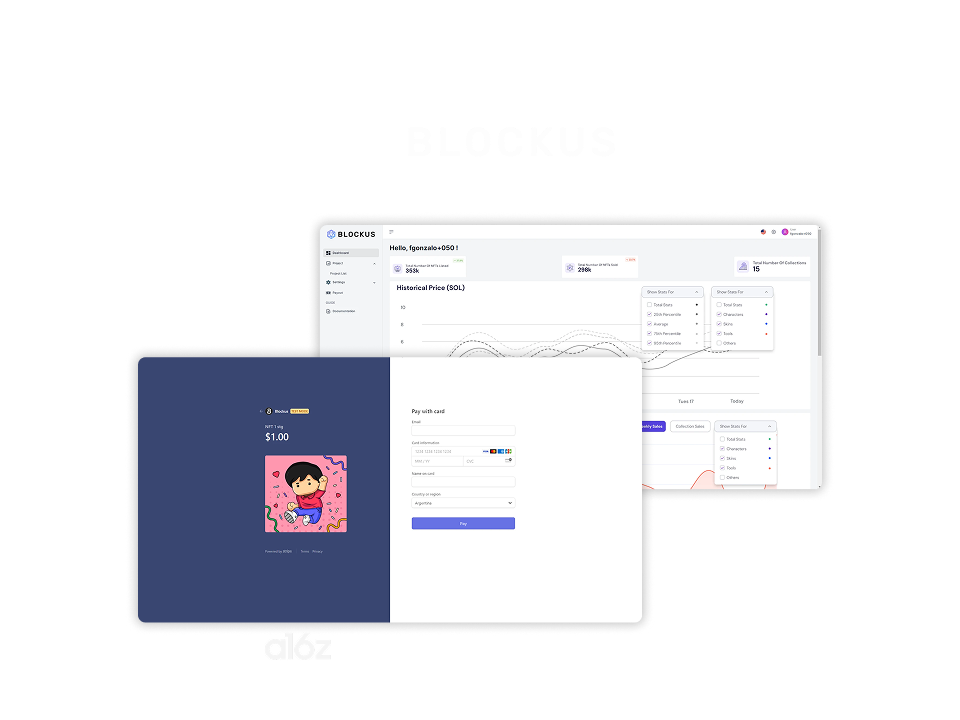
Blockus
Web3 infrastructure for game studios.
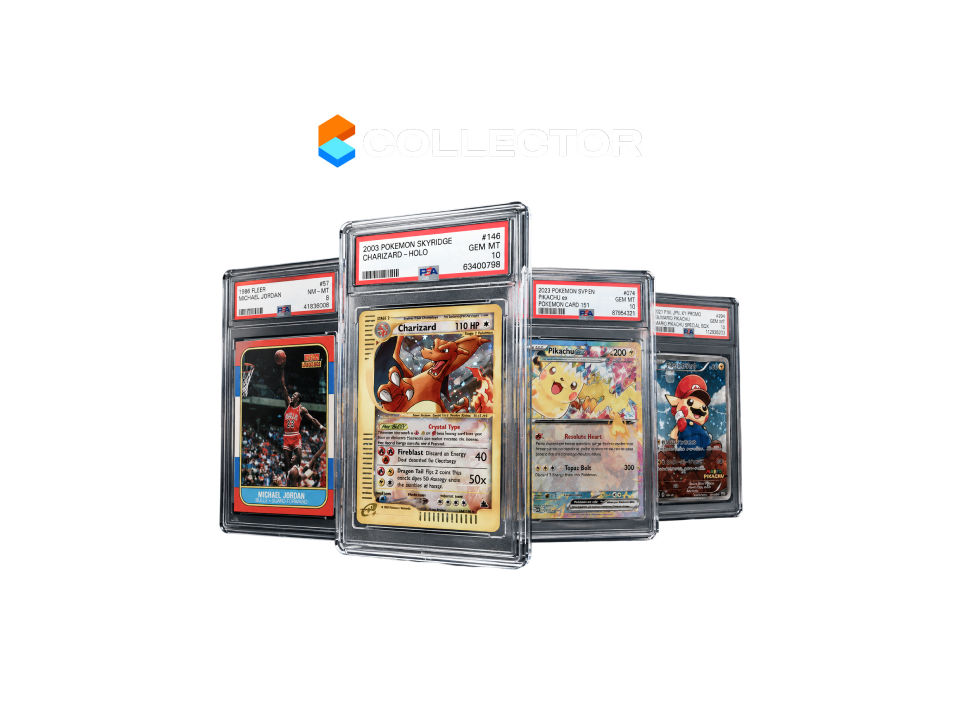
Collector Crypt
Graded physical trading cards, vaulted and tokenized on-chain across five blockchains.
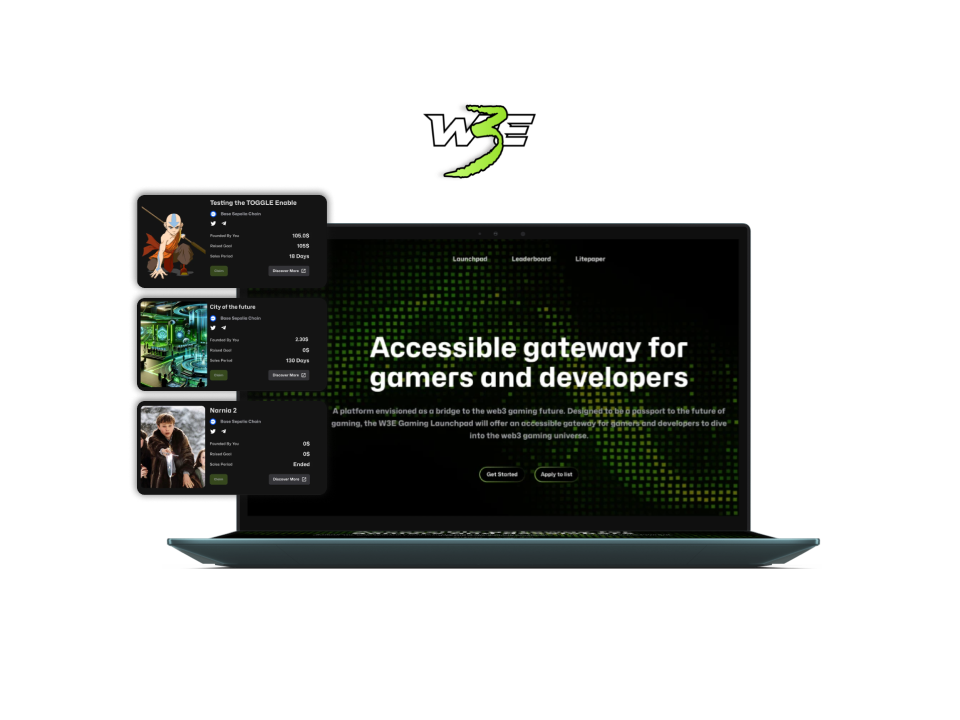
W3E
Web3 gaming launchpad for hassle-free IDO and INO investments.
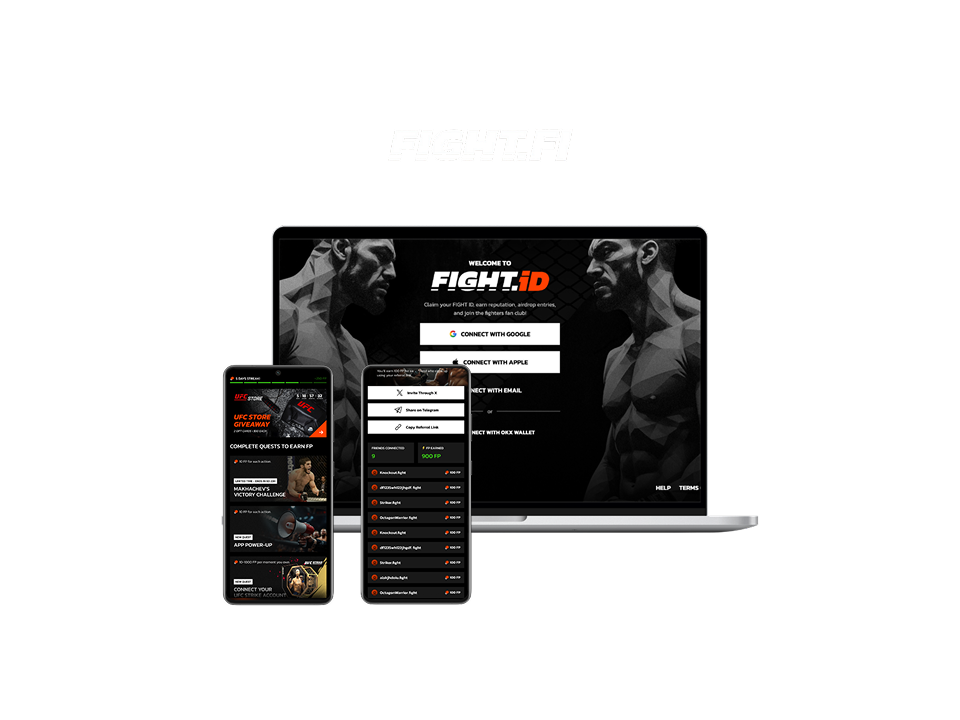
FightFI
The ultimate fight-fan experience.
Frequently Asked Questions
What is blockchain game development?
What is the difference between NFT games, GameFi and play-to-earn?
Do players need a crypto wallet to play a Web3 game?
Which blockchain is best for game development?
Can you add blockchain features to an existing game?
How long does it take to build a Web3 game MVP?
From Our Blog
Related Reading

Bitcoin & the Almost Millionaires of StarCraft
Imagine becoming a millionaire after NOT winning a tournament. A blast from the past that features one of the greatest videogames of all time and one of the most curious stories in crypto history.

Top AI-Powered Tools for NFT Creation
The intersection between art and the digital world has been irrevocably changed by NFTs. Learn about the best AI tools for creating digital assets and how to mint your first AI-generated NFT.
Ready to Build Your Web3 Game?
Whether you are a studio adding tradable assets, an esports brand launching a community platform or a collectibles company taking physical inventory on-chain, SpaceDev has shipped it before and can ship it for you.